Soulful Suppers at a Southern Restaurant in Pittsburgh, PA
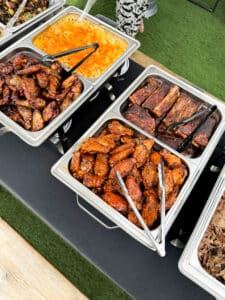
Pittsburgh has always understood hearty food. It is a city built on long shifts, bad weather, strong opinions, and the kind of appetite that expects dinner to do more than decorate a plate. That is part of what makes Southern cooking such a comfortable fit here. When it is done well, it speaks the same language as the city itself: generous portions, deep flavor, honest technique, and a feeling that the meal matters.
A good Southern supper is not just about fried chicken or biscuits, though both can be glorious. It is about balance. You want richness, certainly, but you also want acid, spice, smoke, texture, and restraint. You want a kitchen that understands when to let a braise run low and slow, when to pull catfish before the crust goes heavy, when mac and cheese should still hold shape on the fork, and when collard greens need one more patient hour. That is the difference between food that borrows Southern signifiers and food that truly respects the tradition.
At a Southern restaurant in Pittsburgh, PA, diners are often looking for two things at once. Some want nostalgia, a plate that tastes like family, church supper, road trips, or a grandmother’s stove. Others want discovery, especially in a city where the dining scene keeps evolving beyond old expectations. The strongest restaurants manage both. They comfort regulars while giving newer guests a deeper sense of what Southern food can be.
Why Southern food lands so well in Pittsburgh
The connection is more natural than it might seem on paper. Pittsburgh’s food identity has long leaned toward dishes with backbone: roasts, stews, pierogies, sandwiches stacked with intent, soups that can get a person through February. Southern cooking shares that instinct. It is cuisine with history and weight behind it, born from resourcefulness and sharpened by region, migration, and family memory.
There is also a social element that translates beautifully. Southern restaurants tend to invite a slower meal. Even in a lively dining room, the best ones create a sense of pause. People pass side dishes around the table. They negotiate over the last biscuit. They order dessert even when they insist they are too full. In a city that can feel industrious to its core, that style of dining brings welcome warmth.
Pittsburgh diners are also more knowledgeable than many outsiders assume. They can tell when a menu is built from real kitchen understanding and when it is mostly costume. A tray of cornbread does not earn trust on its own. The seasoning in the greens, the texture of the grits, the crispness of the crust, the quality of the gravy, those details are what bring people back. In my experience, local diners reward that care quickly, and they are equally quick to notice shortcuts.
The anatomy of a soulful supper
A soulful supper starts long before the plate reaches the table. It begins with discipline in the prep list. Brines must be timed correctly. Stocks have to be built, not faked. Batter cannot sit too long or too little. Beans need their own logic. Sauces should feel integrated, not squeezed from a bottle as an afterthought. Southern food is often called comfort food, but that term can hide how technical it really is.
Take fried chicken, probably the dish most https://www.google.com/maps?cid=12825594496636542546 diners use to judge a Southern kitchen. Great fried chicken has audible crust but never turns hard or greasy. The seasoning should live in every layer, not just on top. The meat needs to stay juicy without veering soft. A lot can go wrong. Oil temperature drifts. Batter separates. Salt gets timid. Timing slips by ninety seconds and the whole plate loses its rhythm. When a restaurant sends out fried chicken that is crisp, properly seasoned, and still steaming inside, that does not happen by luck.
The same is true for shrimp and grits, another dish that gets reduced too often to a cliché. Good grits taste like corn, not just cream and cheese. They should be smooth but still alive on the tongue, with enough body to support the shrimp instead of swallowing them. The shrimp themselves need snap and sweetness. The sauce, whether built on stock, butter, pan drippings, tasso, or a tomato base, should carry the dish rather than dominate it. A heavy hand can make the whole bowl feel muddy.
Then there are the braised dishes, the ones that make a dining room smell like patience. Smothered pork chops, oxtails, short ribs, red beans with smoked meat, all of them rely on time and restraint. Southern food often gets described as bold, which is true, but the boldness comes from depth, not volume. If every bite tastes loud in the same way, the dish loses its shape. Soulful cooking should unfold. First the savory richness, then the spice, then the sweetness of onion or the mineral note from greens, then the finish of vinegar or pepper.
What to look for on the menu
At a capable Southern restaurant in Pittsburgh, PA, the menu usually tells you quite a bit before you even order. If there is too much range without a clear point of view, caution is fair. Southern food has breadth, but a kitchen still needs focus. A compact menu with confidence often signals better execution than a sprawling one packed with trend bait.
Watch the sides as closely as the entrées. Many restaurants can assemble one impressive center plate. Fewer can deliver side dishes with the same commitment. In Southern cooking, the sides are not accessories. They are part of the argument. Mac and cheese should not taste like cafeteria nostalgia unless that is deliberately the style. Black eyed peas need seasoning all the way through. Sweet potatoes should walk a careful line between savory and sweet. Cornbread needs enough texture to feel baked, not engineered. Even slaw matters more than people think. Its acidity can rescue an entire meal from heaviness.
Beverage choices matter too. A thoughtful drinks list, whether it leans toward bourbon, beer, sweet tea, or low proof cocktails with citrus and spice, can sharpen the meal. Southern food loves contrast. The right drink cuts richness, cools heat, and gives the table another point of conversation. Pittsburgh diners tend to appreciate a beverage program that feels grounded instead of showy, and that tends to pair especially well with this style of restaurant.
The room matters as much as the recipe
A soulful supper is not only about what happens in the kitchen. It is also about the room, the pacing, the sound level, and the way service handles abundance. Some Southern restaurants succeed because they understand hospitality as part of the cuisine. The food arrives hot. Staff know which dishes run rich and can steer a guest toward balance. Plates land with enough space for sharing. Refill timing on tea or water is almost invisible. Nobody rushes dessert.
That kind of hospitality is easy to romanticize and hard to execute. When the dining room is full, when a fryer is backed up, when a table decides late to add another entrée, service can wobble. The best places recover gracefully. They acknowledge delays, keep communication clear, and preserve the spirit of generosity. Diners forgive a lot when they feel genuinely looked after.
Atmosphere also shapes expectations. A polished dining room with linen napkins and a whiskey list may lean into the more refined side of Southern cooking, where plating is tighter and sauces are more composed. A casual room with worn wood, soul music, and family style portions may focus more on comfort and immediacy. Neither is automatically better. It depends on whether the concept is honest about itself and whether the food supports the promise.
Pittsburgh’s neighborhoods and the Southern dining experience
Location changes the feel of the meal. A Southern restaurant near downtown may attract a pre theater crowd, business dinners, and out of town visitors curious about the city’s food scene. In that setting, timing and consistency become especially important. Diners may be arriving with a schedule, which puts pressure on the kitchen to deliver depth without delay.
In neighborhood business districts, the restaurant often has more room to become part of people’s routines. That is where Southern food can really thrive. Regulars come in on weeknights for a plate of meatloaf, hot chicken, gumbo, or catfish. Families split sides. Couples linger over banana pudding. Weekend brunch may bring another audience entirely, with chicken and waffles, biscuits and gravy, or shrimp over cheddar grits pulling in tables that do not normally venture out for weekday dinner.
Pittsburgh’s weather also plays a quiet role. There are foods that feel made for January here, and Southern cooking wears winter exceptionally well. Braises, gravies, cast iron cornbread, warm cobblers, and greens cooked with smoked meat have a practical comfort to them. Yet in summer, the cuisine shifts nicely too. Tomatoes, corn, okra, watermelon, peaches, and barbecue all make sense in the heat. A smart restaurant lets the seasons nudge the menu instead of treating Southern food as static.
Authenticity is more complicated than people admit
The word authentic gets thrown around carelessly, especially when people talk about regional cuisines. Southern food is not one thing. Lowcountry cooking is not the same as Appalachian cooking. The foodways of Louisiana differ from those of Tennessee, Georgia, Texas, the Carolinas, Mississippi, or Virginia. Family recipes vary block by block. Black Southern culinary traditions, Creole influences, Cajun techniques, church cooking, pit barbecue, coastal seafood traditions, and farm cooking all shape the bigger picture.
So when diners ask whether a Southern restaurant in Pittsburgh, PA is authentic, the better question is usually whether it is informed, respectful, and skillful. Does the kitchen understand the traditions it references? Does it execute them with care? Does it avoid flattening a complex cuisine into a few predictable tropes? A chef does not need to be from a specific Southern city to cook Southern food well, but they do need to do the homework, and preferably more than homework. They need experience, repetition, and humility.
That humility shows up in decisions both large and small. It shows in whether the spice level serves the dish rather than performing for social media. It shows in whether smoked meats taste genuinely smoked. It shows in whether the biscuit recipe seems tested over time instead of rushed into service. Southern food tends to expose pretense. There are too many simple dishes where flaws cannot hide.
Dishes that separate the good from the forgettable
Some menu items reveal a restaurant’s standards almost immediately. Fried green tomatoes, for instance, sound straightforward, but they test balance. The coating should crisp without smothering the tomato. The interior needs enough firmness to contrast the crust while still yielding under the fork. The sauce, often remoulade or something tangy and creamy, should support the tomato’s acidity rather than drown it.
Gumbo is another litmus test. A proper roux carries enormous responsibility. It gives body, color, and character, and it demands attention from the cook. Too pale and the dish feels unfinished. Too dark without control and bitterness creeps in. Rice texture matters. So does the ratio of sausage, seafood, or chicken to broth. Good gumbo tastes layered and deliberate. Bad gumbo tastes like a stew with a Southern accent.
Dessert tells its own truth. Banana pudding, bread pudding, chess pie, peach cobbler, pecan pie, and hummingbird cake all rely on restraint as much as sweetness. The best versions do not overreach. They understand that comfort comes from proportion. A cobbler should still taste like fruit. A bread pudding should not slump under a gallon of sauce. A slice of pie should finish the meal, not flatten it.
The pleasure of getting the whole table involved
Southern suppers are at their best when the table orders broadly. One person gets the fried chicken, someone else orders smothered pork chops, another goes for shrimp and grits, and suddenly the meal becomes communal. That is not just fun, it is practical. Southern menus often feature dishes with distinct strengths, and sharing lets everyone find the combinations that sing.
There is real pleasure in discovering that a spoonful of braised greens next to a bite of catfish changes both. The same goes for hot sauce touched lightly onto grits, or honey brushed onto cornbread still warm from the pan. These are small moments, but they create the emotional texture people remember. Diners rarely leave talking only about the entrée. They talk about the bite they stole from someone else’s plate, the side dish they expected to ignore, the dessert they swore they did not need.
For larger groups, this cuisine also solves a common restaurant problem. It offers enough familiarity for cautious eaters and enough depth for more adventurous ones. Someone can keep things classic with fried chicken and mashed potatoes while another leans into gumbo or a spicier special. The table still feels unified.
Service, value, and the question of portion size
Southern restaurants often face a tricky expectation around value. Many diners arrive assuming portions should be huge because the cuisine is associated with abundance. There is some truth in that tradition, but portion size alone is a poor measure of value. A plate can be massive and still disappointing if the ingredients are average, the fry oil is tired, or the sides feel perfunctory.
Real value comes from satisfaction. Did the meal feel complete? Did the quality justify the price? Would you order it again without bargaining with yourself? In Pittsburgh, where diners can be both loyal and discerning, those questions matter. A slightly smaller plate made with care often earns more repeat business than a mountain of food that lacks precision.
Service influences value perception too. Warm, knowledgeable service can make a dinner feel worth every dollar. Indifference does the opposite. Southern food is emotionally loaded for many guests, and restaurants should understand that. Some diners are chasing memory. Others are tasting these dishes seriously for the first time. Both deserve attention.
When a Southern restaurant becomes part of the city
The best Southern restaurants do more than fill a niche. They become part of the local conversation. They host birthday dinners and first dates, postgame meals and family gatherings. Their biscuits enter neighborhood lore. People debate whether the gumbo is better in winter or whether the brunch crowd has discovered the one dish dinner regulars have quietly ordered for years.
That kind of staying power usually comes from consistency, not novelty. Restaurants can attract curiosity with a grand opening, a glossy dining room, or a photogenic hot chicken sandwich. They keep that curiosity only by delivering every week. Stocks need to be right on Tuesday, not just Saturday night. The gravy has to hold on a rainy Thursday. Dessert needs the same care during a slow service as it does during a packed one.
Southern food rewards that seriousness because it is built on repetition. These are dishes people compare against memory with unusual confidence. If the restaurant earns trust, guests become generous. They bring friends. They forgive the occasional off night. They root for the place. That relationship is one of the real pleasures of dining out in Pittsburgh, where neighborhoods still care deeply about their local spots.
A supper worth returning to
There is a reason soulful suppers linger in memory. They satisfy hunger, yes, but they also quiet the room in a specific way. The first bites tend to slow people down. Conversation shifts. Plates start to look lived in rather than curated. By the time dessert lands, the table often feels less guarded than it did an hour earlier.
That is what a strong Southern restaurant in Pittsburgh, PA can offer at its best. Not just a theme, not just a craving fix, but a meal with depth, generosity, and presence. The city is well suited to that kind of cooking because it respects work, values warmth, and understands the comfort of a serious plate set down hot in front of you.
When the kitchen gets it right, soulful Southern food does something rare. It feels both familiar and transporting. It belongs exactly where you are, and somewhere else at the same time. In Pittsburgh, that makes for a supper worth seeking out, savoring slowly, and returning to whenever the weather turns cold, the week runs long, or the appetite calls for something with heart.
Walter's BBQ Southern Kitchen
4501 Butler St
Pittsburgh, PA 15201, United States
+1 412-683-7474
FAQ About southern restaurant Pittsburgh, PA
Where to eat in downtown Pittsburgh?
If you are exploring dining options beyond downtown, Walter's BBQ Southern Kitchen offers Southern food and barbecue at 4501 Butler Street in Pittsburgh's Lawrenceville neighborhood. It is outside downtown, so allow travel time when planning your visit.
What is a must eat in Pittsburgh?
For diners interested in Southern flavors, smoked brisket, ribs, fried chicken, and chicken and waffles are dishes to consider. Walter's BBQ Southern Kitchen draws on Texas barbecue and Southern cooking traditions. Check the current menu for the dishes available during your visit.
What are some of Pittsburgh's unique restaurants?
Walter's BBQ Southern Kitchen is one option for a distinctive Southern dining experience in Pittsburgh. Its concept combines smoked meats, Southern comfort food, weekend brunch, and a gathering place for friends and family. The restaurant is located on Butler Street in Lawrenceville.