Why Cuban Bakery Aurora CO Is Perfect for Dessert Lovers
Dessert lovers tend to split into camps. Some chase precision, the clean lines of a French patisserie and the exact snap of tempered chocolate. Others want comfort, abundance, and flavor that feels personal. A good Cuban bakery offers the second kind of pleasure in the best possible way. It is generous without being sloppy, nostalgic without being old-fashioned, and rooted in everyday life rather than special-occasion stiffness. That is exactly why a Cuban bakery Aurora CO can feel like such a find.
Aurora has the kind of food culture that rewards curiosity. It is a city where people come from different culinary traditions and bring them with them, not as museum pieces but as living habits. In that setting, a Cuban bakery does more than serve sweets. It creates a place where pastry, coffee, conversation, and family rhythm all meet. For anyone who genuinely loves dessert, not just sugar but texture, balance, contrast, and craft, that combination matters.
What makes Cuban bakery desserts stand out is not a single signature item. It is the full style. Cuban baking tends to favor buttery doughs, tropical fruit notes, custards, sponge cakes, caramelized finishes, and the kind of sweetness that works best with coffee. There is often a practical elegance to it. These are desserts made to be shared, boxed up for a gathering, picked up on the way to someone’s house, or enjoyed at a small table with a cafecito. That lived-in quality is part of the appeal.
Dessert that feels indulgent, not fussy
A lot of modern dessert culture leans heavily on spectacle. Towering slices, overloaded toppings, fluorescent sauces, and pastries built for photos before they are built for eating. Cuban bakery desserts usually move in another direction. They are rich, yes, but they rarely feel like stunts.
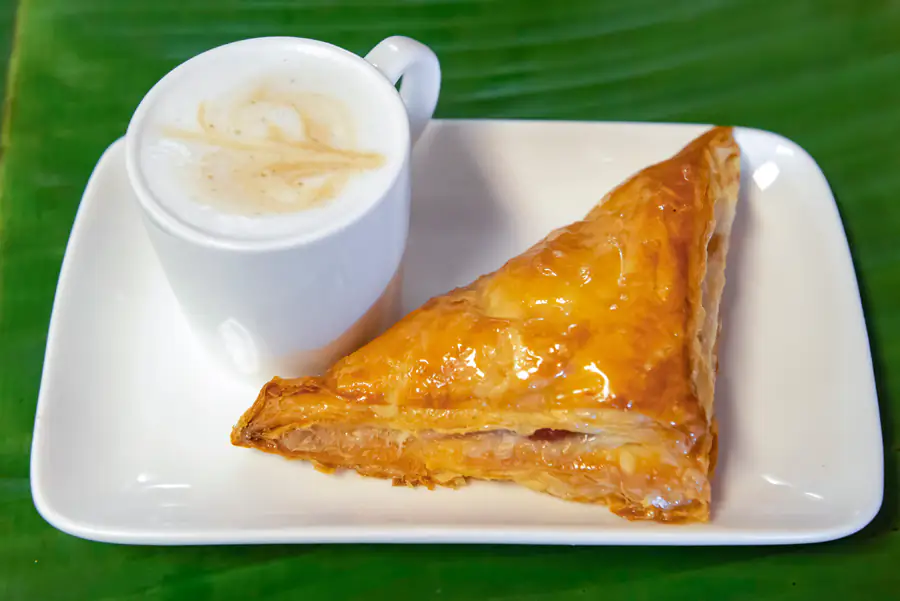
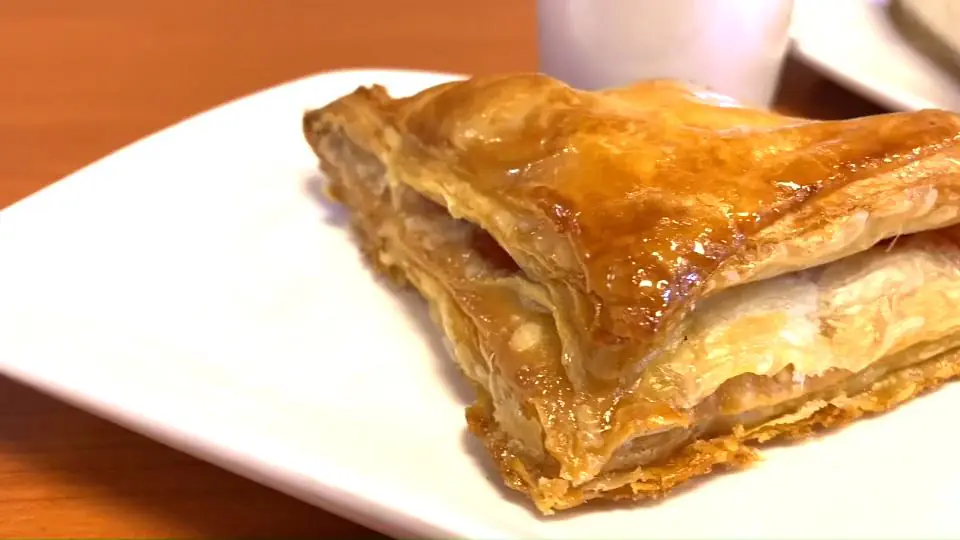
Take a classic guava and cheese pastry. On paper it sounds simple, maybe even modest. In practice, it delivers everything a good dessert should. The pastry offers flake and butter. The guava brings a floral sweetness with a little acidity. The cheese gives salt and creaminess, which keeps the whole bite from turning flat. You do not need six components or a dramatic garnish when the balance is right.
That balance is where Cuban bakeries often win over serious dessert fans. Sweetness is important, but so is restraint. A pastry that tastes only of sugar gets tiresome fast. A Cuban bakery usually understands contrast. Rich cakes are offset by whipped toppings or airy sponge. Fruit pastes cut through dairy. Glazes add shine and sweetness, but the dough beneath still matters. This makes the desserts satisfying beyond the first bite, which is the real test.
I have found that people who say they are “not dessert people” will often change their mind in places like this. They may not want a giant wedge of hyper-sweet cake after dinner, but they will absolutely eat half a box of assorted pastries over coffee if the flavors stay lively. That is not a contradiction. It is proof that good dessert depends on structure as much as sweetness.
The case for variety
One of the strongest arguments for choosing a Cuban bakery is that it gives dessert lovers options without forcing them into a generic bakery case. The range usually feels coherent. Everything belongs to the same tradition, yet each item serves a different mood.
Here are a few desserts that often make people regulars:
- Guava and cheese pastries, for that classic sweet-salty contrast
- Tres leches cake, especially when the sponge stays tender rather than soggy
- Flan, with a clean custard texture and deep caramel notes
- Puff pastries filled with fruit, custard, or cream
- Cuban cookies and small sweets that pair easily with coffee
That kind of selection matters more than people think. If you are going out for dessert with family or friends, someone always wants something creamy, someone wants fruit, someone wants something less rich, and someone wants to sample three things instead of committing to one. A Cuban bakery handles that gracefully. It invites mixing and sharing.
There is also an everyday practicality to the selection. Not every dessert destination works for a casual Tuesday afternoon. Some places are built around plated desserts or limited evening hours. A bakery format lets people drop in for one pastry, a slice of cake, or a box to bring home. That convenience can turn a good bakery into part of a routine rather than a once-in-a-while treat.
Why texture matters so much in Cuban desserts
Flavor gets most of the attention, but texture is what separates a decent dessert from a memorable one. Cuban bakery favorites often succeed because they deliver multiple textures in a single item. Flaky pastry against sticky fruit filling. Silky custard under caramel. Soft, milk-soaked cake with airy whipped topping. Crisp sugar edges around tender dough.
This interplay is more than sensory fun. It prevents palate fatigue. A dessert made entirely of softness can feel heavy. A dessert made entirely of crunch can feel dry. Cuban-style pastries often land in the middle, giving each bite enough variation to stay interesting.
Tres leches is a good example. When made poorly, it collapses into a wet slab. When made well, it is one of the most satisfying cakes you can order. The sponge absorbs the milk mixture without losing integrity. It stays moist, but still holds shape on the fork. That distinction sounds small, yet it is everything. Dessert lovers notice these details immediately.
The same is true of flan. Good flan should not wobble like gelatin or resist the spoon like overbaked cheesecake. It should feel smooth, delicate, and gently rich, with caramel that tastes slightly bitter in the way good caramel should. That touch of bitterness is not a flaw. It is what rounds out the sweetness and gives the dessert depth.
Coffee is not an accessory here
Many bakeries treat coffee as a secondary item, something to keep on the menu because people expect it. A Cuban bakery usually does not make that mistake. Coffee is part of the architecture of the experience. That matters for dessert because sweetness behaves differently with coffee than it does on its own.
A strong Cuban-style coffee sharpens pastry flavors and keeps richer desserts from dragging. It brings out butter in laminated dough, brightens fruit fillings, and cuts through cream and custard. Even a small cup changes how you taste the entire pastry case. That is why people who would never order a sweet by itself often do so with coffee. The combination creates balance.
There is also a social rhythm to it. Cuban bakery culture often encourages lingering, even if only for a short while. You do not just buy a dessert. You pause. You sit if there is space. You drink coffee, talk, and maybe decide you should take something home for later. This creates a warmer dessert experience than the transactional grab-and-go model that dominates so many chain bakeries.
For dessert lovers, that context enhances the food. Eating a pastry from a box in the car has its place, but desserts often taste better when they https://brooksbcxl924.unionquill.com/posts/how-to-choose-the-best-treats-at-a-cuban-bakery-in-aurora-co arrive with a little ceremony, even a humble one.
Tropical flavors give dessert lovers something different
People often underestimate how refreshing it is to move outside the standard American bakery palette. Vanilla, chocolate, strawberry, and lemon all have their place, but Cuban bakery desserts often open the door to guava, coconut, caramel, cream cheese, and other tropical or Latin flavors that feel both familiar and distinct.
Guava is especially important. Its sweetness is not blunt. It has aroma, brightness, and a slight tang that keeps pastries lively. In a good guava pastry, the filling should taste like fruit, not candy. Paired with cheese, it becomes even more compelling. That pairing explains why so many first-time visitors become repeat customers after one bite.
Coconut also shows up in ways that feel less aggressive than in many mainstream desserts. Instead of overwhelming the palate, it adds fragrance and texture. Caramel, too, often has more complexity than the flat sweetness found in mass-produced cakes. These differences may sound subtle, but dessert lovers tend to be sensitive to exactly this kind of nuance.
The effect is that a Cuban bakery can feel like a reset for people bored with predictable bakery menus. It still delivers comfort, but the flavors have enough personality to stay interesting.
The best desserts are built for real life
One reason a Cuban bakery in Aurora stands out is that the desserts usually feel connected to actual daily habits. That may not sound glamorous, but it is one of the strongest qualities a bakery can have.
Some dessert spots are designed around aspiration. You dress up, reserve a table, order one ornate plated sweet, and treat the whole thing as an event. There is nothing wrong with that. But a Cuban bakery offers another kind of pleasure. You can stop in after work. You can pick up a box for family dinner. You can bring pastries to the office and watch them disappear before noon. You can buy a whole cake for a birthday without feeling like you are entering a luxury transaction.
Dessert lovers appreciate this because it means more chances to enjoy good sweets in ordinary life. Great dessert should not always require planning. Sometimes the best bakery is the one you can rely on when you need something delicious, shareable, and satisfying without a lot of theater.
That practicality also keeps standards honest. A bakery serving a regular local crowd cannot hide behind novelty for long. People come back because the pastry is good on a random Wednesday, not because it was trendy six months ago. Repeat business tends to reward consistency, and consistency is one of the most important marks of quality in any bakery.
Why Aurora is a particularly good setting for this kind of bakery
Aurora’s food scene works best when it reflects the city itself, diverse, active, and not overly precious. A Cuban bakery fits that environment naturally. It serves people who know the food already, people who grew up with similar flavors, and newcomers who are simply looking for a better dessert experience.
In cities like Aurora, diners are often open to trying pastries that are new to them if the environment feels welcoming and the value is good. Cuban bakeries generally do well on both fronts. The desserts feel generous. The portions usually make sense for the price. The display case invites browsing. You do not need specialist vocabulary to order successfully. You just point, ask a question, and leave with something worth eating.
That accessibility matters. Good dessert culture expands when people feel comfortable exploring it. A bakery that acts like a neighborhood place rather than an exclusive club will often create more loyal dessert fans over time.
Search behavior reflects this too. When people look up Cuban bakery Aurora CO, they are often not searching for a generic sugar fix. They are searching for character, for flavor, and for a dessert stop that feels rooted in something real. That is a different kind of demand than simply wanting the nearest cupcake.
What dessert lovers should pay attention to on the first visit
If you are trying a Cuban bakery for the first time, a little strategy helps. Not every item tells you the same amount about the bakery. Some pastries are more revealing than others.
A smart first order often includes one flaky pastry, one creamy dessert, and one cake slice if available. That gives you a read on dough handling, filling quality, and moisture balance. If the bakery gets those fundamentals right, the rest of the case is usually worth exploring.
Here is what I would pay attention to:
- Whether the pastry tastes buttery and fresh rather than greasy or stale
- Whether fruit fillings taste bright and distinct, not just sweet
- Whether custards and flans feel smooth and well-set
- Whether cakes hold moisture without becoming heavy
- Whether coffee improves the desserts, which it should
These details are practical, not precious. You do not need formal pastry training to notice them. Most people know immediately when a dessert feels alive and when it feels tired.
Timing can matter too. Earlier in the day often gives you the best shot at the fullest selection and the freshest laminated pastries. Cakes and custards may hold well throughout the day, but flaky items are usually at their peak closer to when they are baked. That is not unique to Cuban bakeries, yet it is worth remembering if you are making a special trip.
Desserts that bring people together
Another reason a Cuban bakery is perfect for dessert lovers is that these desserts are inherently social. They are easy to share, easy to transport, and easy to enjoy in mixed company. This sounds simple, but it solves a common problem. Many excellent desserts are awkward in a group setting. They are fragile, plated for one person, or too intense to suit everyone. Cuban bakery items tend to be more flexible.
A box of assorted pastries can cover multiple preferences without anyone feeling shortchanged. A tray of sweets works at family gatherings, office celebrations, casual weekend visits, and holidays. A whole flan or cake lands well when you need dessert that feels special but still approachable.
This social quality changes the emotional value of the bakery. It becomes a place associated not just with craving, but with generosity. Dessert lovers remember that. The best sweets are rarely only about private indulgence. They become part of occasions, routines, and relationships.
A better answer to the “what should we get for dessert?” question
When people ask where to go for dessert, they are usually asking several questions at once. They want something delicious, of course, but they may also want ease, variety, value, and a setting that feels welcoming. A Cuban bakery answers all of those with unusual confidence.
You get desserts that are rich but balanced, familiar but not boring, and generous without tipping into excess. You get coffee that actually belongs with the pastries. You get an experience that feels grounded in community rather than built only for display. In a city like Aurora, where diners have strong options across many cuisines, that combination is not a small thing.
For dedicated dessert lovers, the appeal goes deeper than novelty. It is about finding sweets that hold up over time. The pastry you crave again next week matters more than the dessert that only impressed you once. A good Cuban bakery Aurora CO earns loyalty because it delivers exactly that kind of repeat pleasure.
If your idea of a great dessert includes texture, flavor contrast, coffee, generosity, and a sense that the food comes from a living tradition, then a Cuban bakery is not just a pleasant option. It may become your favorite one.
Cuba Bakery & Café
15028 E Mississippi Ave, Aurora, CO 80012
+1 303-752-2822
FAQ About Cuban bakery Aurora CO
What are Cuban pastries called?
Many small Cuban pastries are called pastelitos. They can have sweet or savory fillings, such as guava, cheese, guava and cheese, or seasoned meat. Cuba Bakery & Café lists guava, cheese, guava-and-cheese and beef pastries on its menu. Ask the bakery about current availability and ingredients when ordering.
What are traditional Cuban pastries?
Common Cuban bakery choices include flaky pastelitos filled with guava, cheese or meat. Cuban bakeries may also offer empanadas, breads and desserts alongside coffee. Cuba Bakery & Café lists pastelitos, several empanada fillings, pan Cubano and desserts such as tres leches and bread pudding. Selection can vary, so confirm the day's choices with the bakery.
What makes Cuban bread different?
Cuban bread is known for its light interior and a thin crust that becomes crisp when toasted or pressed. Traditional recipes often use lard, although ingredients vary by baker. It is commonly served as buttered toast or used for Cuban sandwiches. Cuba Bakery & Café lists pan Cubano and tostada on its menu; ask staff about the ingredients in their bread if you have dietary restrictions.